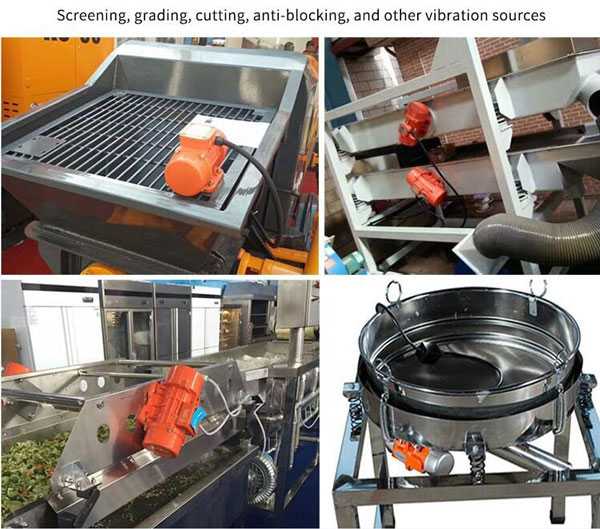
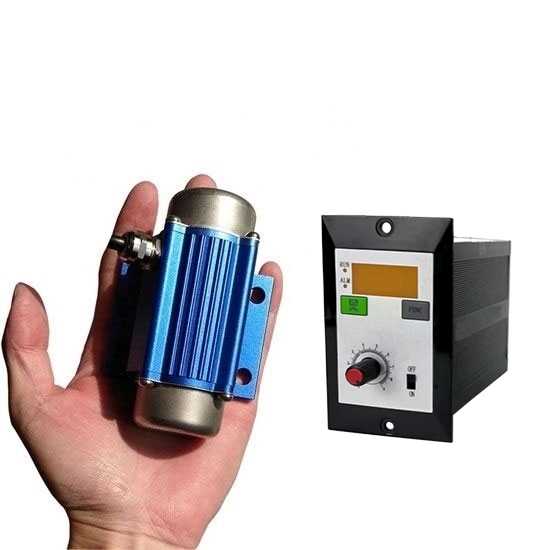
Recycling facilities process mixed materials that often require multiple stages of feeding, screening, separation, and classification. ATO vibration motors can contribute to these processes by providing dependable mechanical movement for vibrating conveyors, screens, feeders, and sorting equipment. At the beginning of a recycling line, vibration can help distribute incoming materials across a processing surface, reducing concentrated piles that could overload downstream machinery. During screening, vibration helps separate material according to size, allowing different fractions to continue toward appropriate processing stages. Vibration can also assist with the movement of plastic fragments, glass particles, construction debris, biomass, and other recyclable materials. One important advantage is the versatility of vibration as a mechanical conveying method. It can be incorporated into compact machines where conventional belt or screw conveyors may not be the ideal choice. Recycling equipment frequently operates under dusty and mechanically demanding conditions, so appropriate motor protection, mounting, and maintenance are essential. Where combustible dust or hazardous operating conditions are present, an explosion proof vibration motor may be considered if it meets the required classification and certification. ATO vibration motors can therefore support recycling systems ranging from municipal waste processing to industrial scrap recovery. By promoting more even material distribution and reliable screening, vibration-driven equipment can improve the efficiency of sorting and material recovery operations.